How to Start a Bakery Business: Scaling from Home Kitchen to Industrial Success with Amy Lund
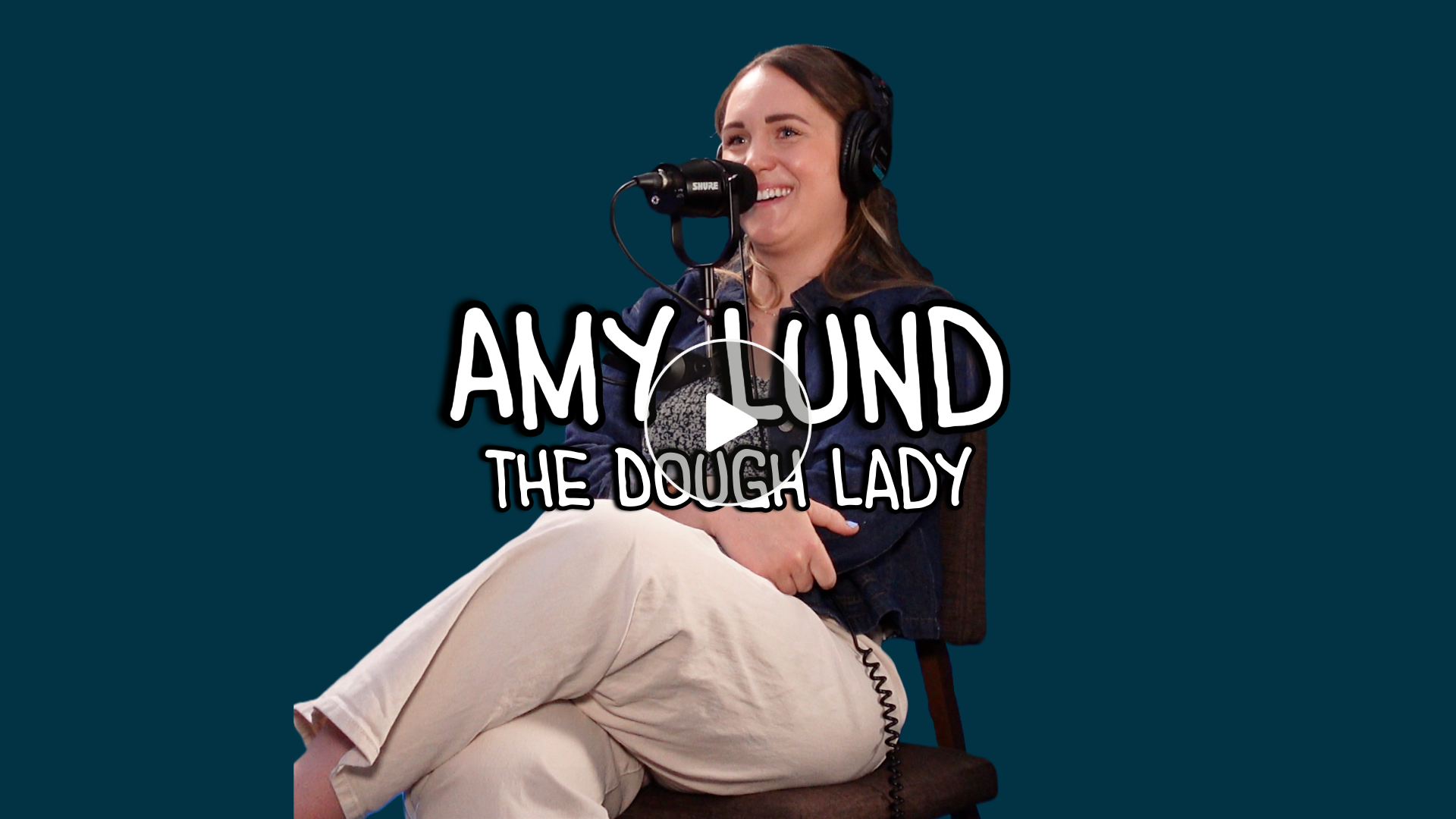
Amy Lund
The Dough Lady - Owner and Founder
Quick Start Guide: Launching a Food Business
How do you start a successful bakery? To turn a baking hobby into a business like The Dough Lady, start by mastering a single "hero product"—such as a specialized cinnamon roll. Most food entrepreneurs begin under Cottage Food Laws to test the market with low overhead. According to founder Amy Lund, the transition to a commercial space requires a focus on production logistics, scaling equipment (moving from 5-quart to 60-quart mixers), and building a community-first brand through social media.
Key Insights into Amy's Entrepreneurial Path
From Pandemic Side Hustle to Utah’s "Dough Lady"
You don’t need a culinary degree to build a food empire. Amy Lund’s journey proves that the "kitchen as a lab" philosophy is often more valuable than formal schooling.
The "Stress Baking" Origin: Amy began baking to manage stress, eventually perfecting a frozen cinnamon roll dough that filled a gap in the market during 2020.
Bootstrapping Growth: The business started with a standard KitchenAid mixer. As demand exploded, she and her husband Eric strategically reinvested profits into larger equipment, eventually graduating to a $25,000 industrial 60-quart mixer.
Organic Marketing: Without a massive ad budget, Amy built her brand through radical transparency on Instagram and word-of-mouth recommendations from a loyal local community.
The Bakery Scaling Roadmap: 3 Critical Stages
Scaling a physical food product is vastly different from a digital business. Here is how Amy managed the growth:
The Cottage Phase: Baking from home, managing small batches, and selling directly to friends/neighbors. This is where you find your "Proof of Concept."
The Shared Kitchen / Small Commercial Phase: Moving to a dedicated space to increase volume. This requires navigating health department regulations and investing in 20-quart commercial mixers.
The Industrial Flagship: Opening a retail location (like her Millcreek shop) and scaling production with heavy-duty machinery to meet wholesale and walk-in demand.
[Infographic Idea: The Equipment Ladder - 5qt Mixer -> 20qt Mixer -> 60qt Industrial Mixer]
Tactical Advice for Aspiring Food Entrepreneurs
If you have a secret family recipe you want to sell, follow Amy’s advice:
Know Your Margins: Passion won't pay the bills if you don't understand the cost of ingredients, packaging, and labor. "Know your numbers" from day one.
Consistency is King: Scaling a recipe for a 60-quart mixer isn't as simple as multiplying by twelve. You must master production logistics to ensure the 1,000th roll tastes as good as the first.
Build Your Support System: Entrepreneurship is lonely. Amy credits her husband's encouragement as the catalyst for her bravery in taking the business full-time.
Frequently Asked Questions: Starting a Bakery
Q: Can I sell food from my home?
A: Most states have Cottage Food Laws that allow you to sell "non-hazardous" foods (like breads and cookies) from home, but there are often caps on annual revenue and specific labeling requirements.
Q: What is the most expensive part of opening a bakery?
A: Equipment and Build-out. Industrial mixers, ovens, and refrigeration can cost tens of thousands of dollars. Amy suggests buying used equipment or scaling only as demand dictates.
Q: How do I handle social media for a small business?
A: Be authentic. Amy’s followers connect with the "human touch" behind the brand. Don't just post product shots; post the process, the struggles, and the people.
Watch the Full Story of The Dough Lady
To hear Amy discuss the emotional side of entrepreneurship and see the industrial mixers in action, watch the full interview:
Watch on YouTube: Watch the Full Episode!
Visit the Bakery: 3362 South, 2300 East, Mill Creek, Utah
Follow W2GS on Instagram for more careers: @wheretogetstarted
Hosted by: Colton & Tyler Crump
Connect with Amy:
Instagram: @doughladySLC