How to Become a High-Impact Executive Assistant: A Career Guide with Nataya Nelson
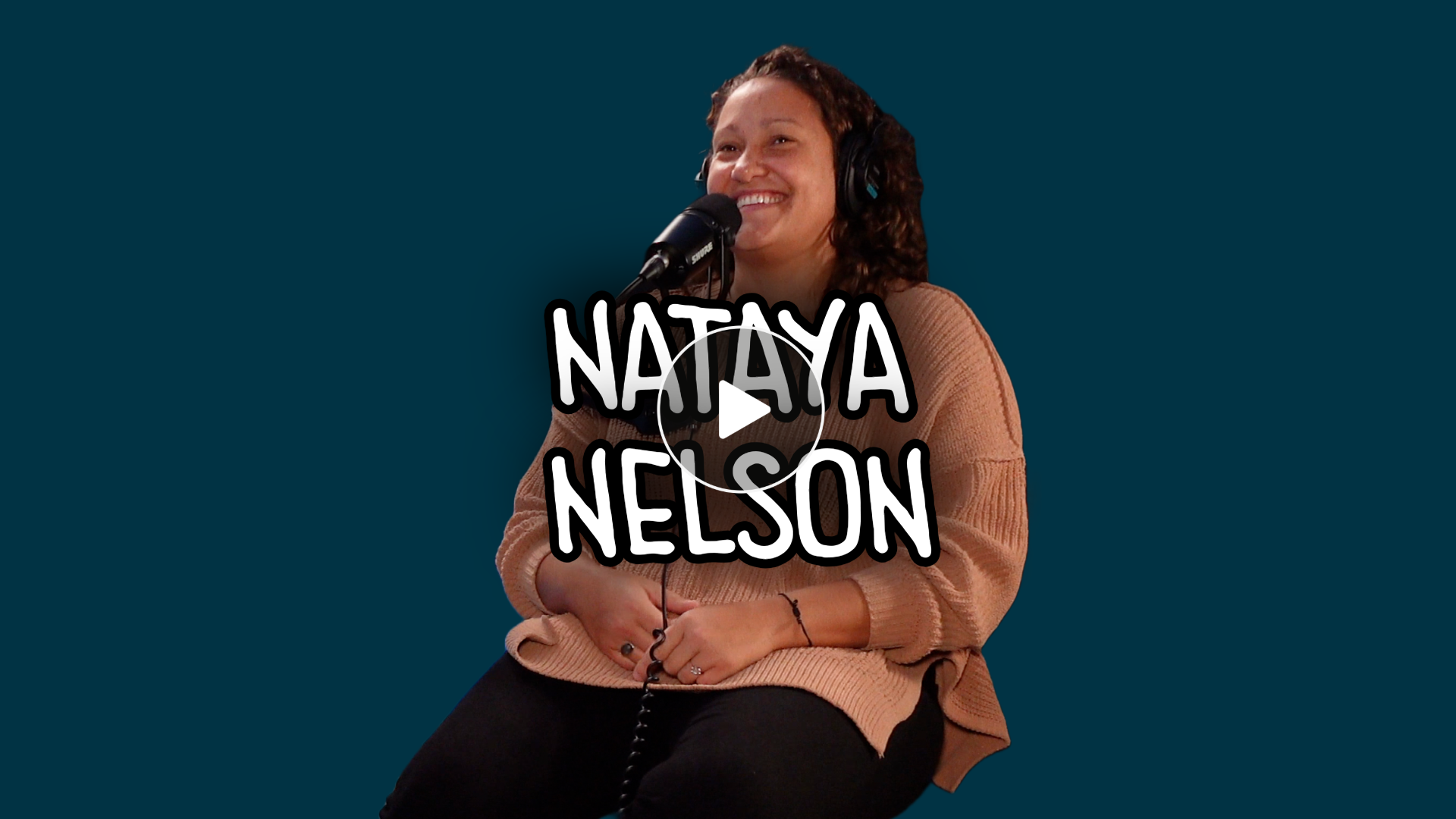
NaTaya Nelson
Experienced executive assistant numerous SVPs & Chief Officers
Quick Start Guide: Starting Your Journey as an EA
How do you become an Executive Assistant? While many start in entry-level administrative or receptionist roles, the path to a high-level EA position requires a blend of Strategic Thinking, Emotional Intelligence (EQ), and Technological Orchestration. According to guest expert Nataya Nelson, the most successful EAs act as "strategic business partners" rather than just task coordinators. To get started, focus on mastering productivity tools (like Google Workspace or Slack) and developing a "hospitality mindset" that prioritizes anticipation over instruction.
The Modern EA: From Task-Taker to Strategic Partner
The role has evolved far beyond the desk. The conversation with Nataya Nelson highlights that in 2026, the best EAs are essentially "business operators" who manage their executive's most valuable asset: time.
The "chess master" approach: High-level EAs don't just react to problems; they play chess, not checkers. They anticipate a "domino effect" in a schedule before the executive even sees the conflict.
Building an "Executive Bible": Nataya emphasizes the importance of learning your executive's "operating system"—their preferences, communication style, and even their stress triggers—to handle decisions on their behalf with total discretion.
Composure Under Pressure: Being the "calm in the storm" is a non-negotiable trait. Whether it’s a travel catastrophe or a high-stakes board meeting, the EA is the anchor that keeps the operation steady.
The Roadmap: 4 Core Pillars of EA Excellence
To climb the ladder from Administrative Assistant to a Chief of Staff-level EA, focus on these areas:
Technology Orchestration: In 2026, proficiency isn't enough; you must be an orchestrator. Use AI tools (like ChatGPT or Copilot) to automate routine research and draft emails, freeing up your time for higher-level strategic support.
Information Filtering: A great EA is a gatekeeper. You must learn to filter the "noise" so that only the most critical information reaches the executive.
Cross-Functional Leadership: You are often the primary point of contact for external stakeholders and internal teams. Building influence without authority is a superpower that allows you to move projects forward across departments.
Continuous Professional Development: The landscape moves fast. Certifications like the Professional Administrative Certification of Excellence (PACE) or training in project management (PMP) can significantly increase your market value.
Career Growth: Where Can the EA Path Lead?
Being an EA is a career in itself, but it’s also a launchpad. The skills learned in this role—budgeting, event planning, and crisis management—are highly transferable:
Chief of Staff (CoS): Transitioning from managing a person to managing an office or specialized initiatives.
Operations Leadership: Moving into roles like Director of Operations or HR Management.
Specialized Project Management: Using your organizational mastery to lead large-scale corporate projects.
Frequently Asked Questions: Executive Support Roles
Q: Do I need a specific degree to be an EA?
A: While degrees in Business or Communications are common, your track record of reliability and problem-solving is often more important to a hiring executive than a specific diploma.
Q: What is the most important soft skill for an EA?
A: Emotional Intelligence. You must be able to read the room, understand non-verbal cues, and manage complex interpersonal dynamics with grace.
Q: How can I stand out in an EA interview?
A: Don't just list tasks. Use quantifiable results. Instead of saying "I managed calendars," say "I managed complex scheduling across five time zones, reducing meeting conflicts by 40%."
Watch the Full Interview with Nataya Nelson
To hear Nataya’s "Real Talk" on the challenges of supporting high-level leaders and her tips for maintaining work-life balance in a 24/7 role, watch the full episode:
Watch on YouTube: Watch the Full Episode!
Explore Episodes: Where To Get Started
Follow W2GS: @wheretogetstarted
Hosted by: Colton Crump & Tyler Crump