The Business of Film: Navigating Incentives and Infrastructure with Aaron Syrett
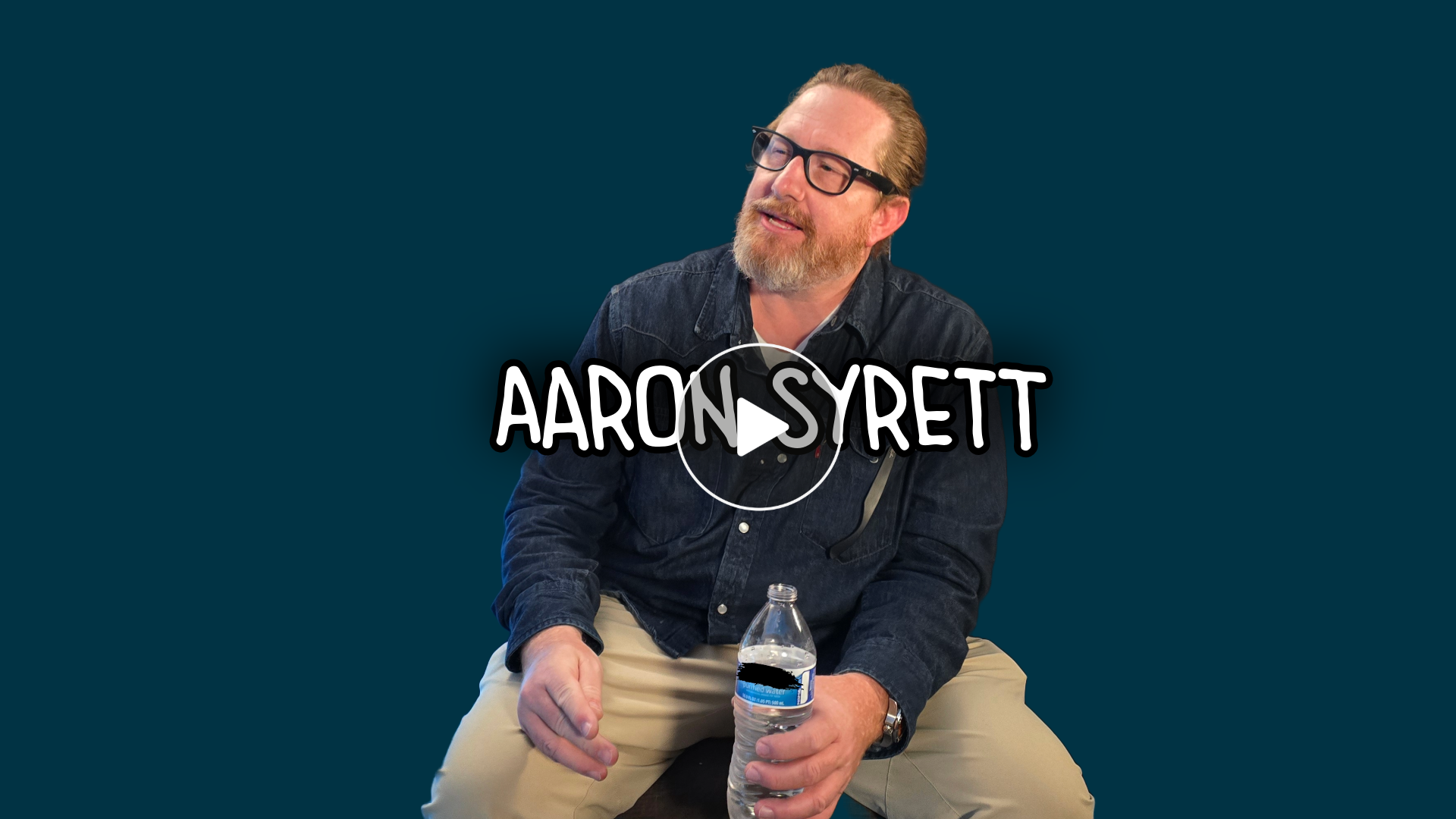
Aaron Syrett
Previous Film Commissioner for Utah and North Carolina
Quick Start Guide: How to Work in the Film Industry
How do you break into the professional film industry? According to industry veteran Aaron Syrett, success requires a "holistic" understanding of the production ecosystem. While technical skills are vital, the industry thrives on state film incentives, location scouting, and logistical infrastructure. To get started, aspiring filmmakers should focus on networking within local film offices, understanding how "direct spending" impacts a state's economy, and mastering the professional etiquette required to manage high-stakes, day-to-day issues on set.
The Syrett Strategy: Marketing a State as a Cinematic Brand
Filmmaking is an economic engine. Aaron Syrett’s career—from directing the Utah Film Commission to leading the North Carolina Film Office—demonstrates that a state is a product that must be marketed to the world's biggest studios.
Recruiting Blockbusters: Aaron played a pivotal role in recruiting massive projects like The Hunger Games and Iron Man 3. He highlights that landing these "tentpole" films isn't just luck; it requires years of relationship-building with directors, production designers, and producers.
The Power of Incentives: Aaron explains that incentives make a state competitive. He helped craft some of the "smartest" and most aggressive film laws in the country, leveraging a state's existing infrastructure to attract hundreds of millions in direct spending.
Liaison Leadership: The film office serves as the bridge between a production and the state. Whether it's finding the perfect location or handling complex permitting, the goal is to ensure that once a production arrives, they have a seamless experience from pre-development to wrap.
The Professional Roadmap: From Local Crew to Industry Leader
If you want to move beyond "indie" projects and into the world of major motion pictures, follow the pillars Aaron has championed:
Understand the Infrastructure: It’s not just about the camera. It’s about the hotels, the catering, the local crew, and the equipment rentals. Successful pros understand how their role fits into this massive economic puzzle.
Be Politely Persistent: When advocating for the industry or your own career, Aaron’s advice is clear: "Be polite and kind. Don't be combative." In a relationship-driven industry, your reputation for being easy to work with is your best resume.
Think Globally, Act Locally: Aaron’s goal has always been to make local brands global. Aspiring filmmakers should look for ways to showcase their local environment’s unique "brand" to international productions.
Stay Informed on Legislation: The "business" of film is often decided in state legislatures. Understanding how tax credits and incentives work can make you an indispensable asset to any production team.
Tactical Advice for Aspiring Filmmakers
Volunteer and Network: Aaron encourages those interested in the industry to join advocacy groups (like the North Carolina Production Alliance or local Utah film guilds). Getting involved early allows you to hear about projects before they even reach the "principal photography" stage.
Focus on "Diagnostic" Professionalism: Professionalism means solving problems before they reach the director. Being "responsive and reliable" is the fastest way to get invited back for the next project.
Study the "Direct Spending" Model: Learn how film budgets are allocated. Understanding where the money goes—from crew wages to local benefits—helps you speak the language of the executives who greenlight projects.
Frequently Asked Questions: Film Industry Operations
Q: Why do movies film in certain states over others?
A: It usually comes down to three factors: Incentives (tax credits/rebates), Locations (the "look" of the film), and Infrastructure (available crew and stages).
Q: What does a Film Commissioner actually do?
A: They act as the state's primary marketing agent to the film industry, recruiting projects and acting as a liaison to handle day-to-day issues during production.
Q: Is the film industry "back" in states like Utah and North Carolina?
A: Yes. As Aaron notes, with the right incentives and a professional crew base, these states have become top-five destinations in the U.S. for film and TV production.
Dive Deeper into the Film Industry with Aaron Syrett
To hear more about Aaron’s experience during the Sundance Film Festival and his vision for the future of global film brands, check out the full interview:
Watch the Full Episode: Watch the Full Episode!
Local Resource: Utah Film Commission
Follow W2GS: @wheretogetstarted
Hosted by: Colton Crump & Tyler Crump