How to Open a Cheer and Tumbling Gym: Insider Secrets from Markie Mitchell
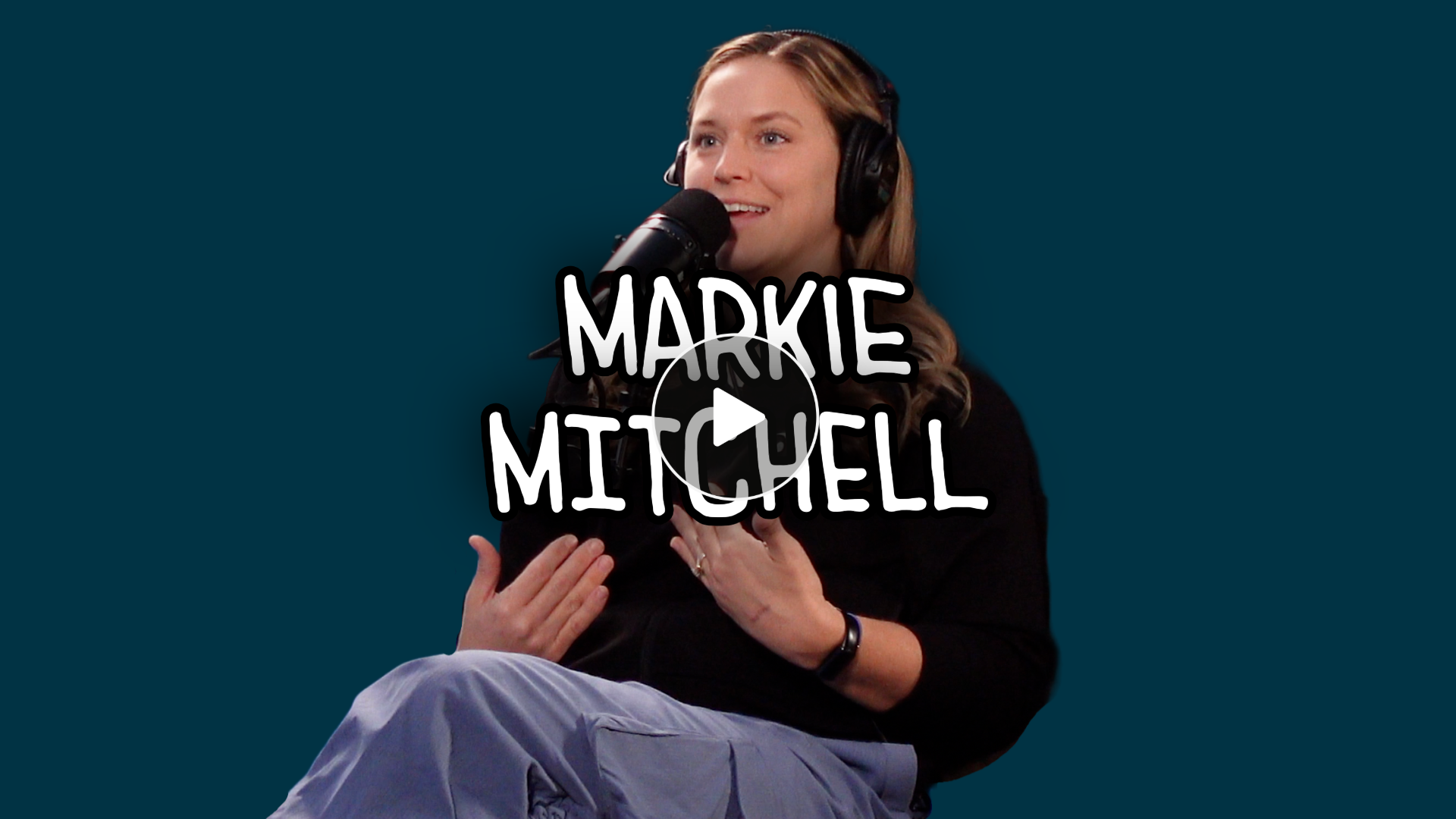
Markie Mitchell
Owner/Founder of The Movement Center in Sandy, Utah
Quick Start Guide: Starting an Athletic Training Business
How do you start a cheer and tumbling gym? Success begins with identifying your niche—whether it’s All-Star competitive cheer, recreational tumbling, or high school prep. According to Markie Mitchell, the "Golden Window" for skill development is between ages 5 and 7. To turn a passion for coaching into a profitable business, owners must master facility logistics (minimum 20ft ceiling heights), risk management, and the creation of ancillary revenue streams like adult classes or pro shops.
The "Movement" Mindset: Coaching the Whole Athlete
Technical skills are temporary; character is permanent. Markie Mitchell’s philosophy at The Movement Center revolves around a holistic approach to youth sports.
The Age Factor: Markie highlights that starting early is key. Training between the ages of 5–7 helps children develop the spatial awareness and muscle memory needed for advanced tumbling later in life.
Mental Health in Sports: One of the biggest shifts in modern coaching is the focus on mental well-being. Markie advocates for a supportive environment that prioritizes personal growth over just winning "worlds jackets."
The "Adult" Opportunity: Don't ignore the parents! The Movement Center found unexpected success in adult tumbling classes, proving that the desire for movement and play doesn't have an age limit.
The Business Blueprint: From Floor Mats to Financials
If you’re ready to move from the sidelines to the front office, follow Markie’s roadmap:
Define Your Focus: Will you be a "stunting" heavy All-Star gym or a "technique-first" tumbling studio? Your focus determines your equipment needs and staff certifications.
Facility Logistics: Ceiling height is your biggest constraint. For competitive stunting and high-level tumbling, you need at least 20 feet of clear space. Industrial zones often offer the best square-foot pricing for these needs.
Building Your Team: Markie looks for coaches who are not just technically brilliant but possess high emotional intelligence. A coach is a mentor first and an instructor second.
Community Over Competition: The most successful gyms are those that feel like a second home. Focus on athlete retention by building a strong brand identity that parents trust.
Pro-Tips for Gym Profitability
Ancillary Revenue: Use your empty lobby space! A "Pro Shop" selling gym-branded swag and practice wear is a high-margin addition that enhances the "family" feel.
Maximize Your Square Footage: If your mats are empty during school hours, consider daytime programs for toddlers or homeschool groups.
Invest in "Good" Software: Streamlining your tuition billing and class registrations with professional management software is the only way to avoid burnout as an owner.
Frequently Asked Questions: Gym Ownership
Q: Do I need a specific certification to open a gym?
A: While requirements vary, getting USA Cheer safety and risk management certified is the industry standard. It’s also vital for securing proper liability insurance.
Q: What is the most expensive part of starting a gym?
A: After the facility deposit, flooring and mats are your biggest upfront cost. A full spring floor can cost upwards of $20,000–$30,000.
Q: How is All-Star Cheer different from High School Cheer?
A: All-Star is club-based and focuses primarily on the 2.5-minute competitive routine (stunts, pyramids, tumbling). High School cheer focuses more on sideline spirit and supporting school athletics.
Watch the Full Interview with Markie Mitchell
To hear Markie’s "Real Talk" on the challenges of gym ownership and her advice for parents entering the world of competitive cheer, watch the full episode:
Watch on YouTube: Watch the Full Episode!
Visit the Gym: The Movement Center - Utah
Follow W2GS: @wheretogetstarted
Hosted by: Colton & Tyler Crump