How to Become a Video Producer: From Amateur Shorts to Professional Directing with Jason Conforto
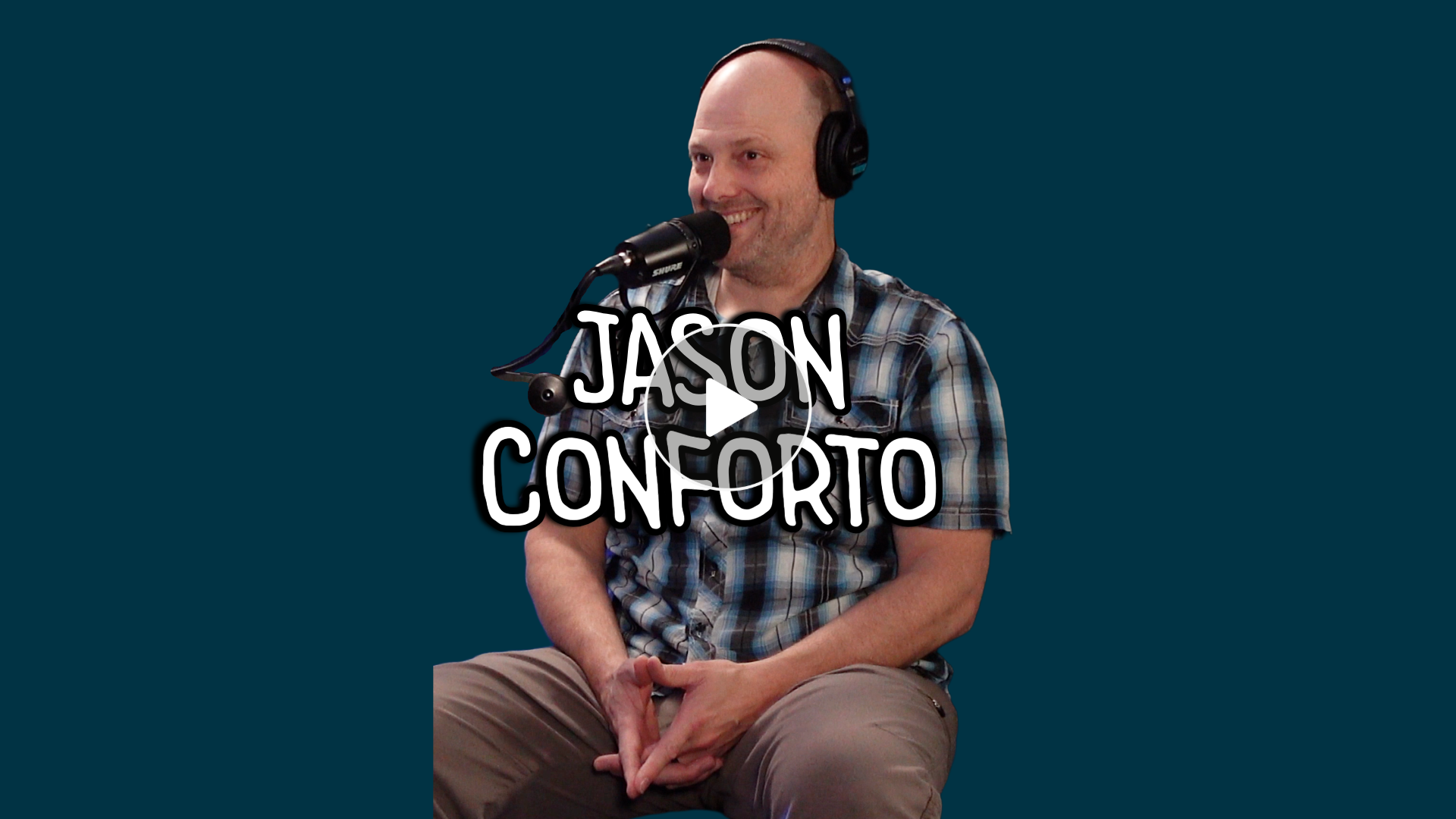
Jason Conforto
Creative Producer / Director at Avalanche Studios in Utah
Quick Start Guide: Starting in Video Production
How do you get started in video production? To become a video producer, you must focus on the core of the craft: storytelling. While a film degree (like Jason’s from BYU) provides a professional network, the most critical step is starting with what you have—whether it’s a smartphone or a DSLR. Modern producers succeed by balancing technical proficiency with the "soft skills" of managing budgets, crews, and creative visions for both independent films and commercial clients.
From VHS to the Big Screen: The Evolution of a Creator
You don't need a Hollywood studio to start telling stories. Jason Conforto’s journey is a blueprint for the "do-it-yourself" filmmaker. Before he was a professional director, he was a teenager in San Diego making short films on VHS with his friends.
The BYU Foundation: Jason used formal education to master the technical and historical aspects of cinema, which provided the discipline needed for high-end production.
The Commercial Grind: For over 20 years, Jason has produced hundreds of videos and TV commercials. This work serves as the "training ground" for learning how to manage large budgets and strict client deadlines.
Passion Projects: Despite his commercial success, Jason continues to direct documentaries (like Front Man and The Disappearance of Brandon Mull) to keep his creative instincts sharp.
The Producer's Roadmap: Skills You Need to Master
If you want to break into the industry, you need more than just a "good eye" for shots. A producer is effectively the CEO of a Project.
Storytelling Fundamentals: Every great video starts with a narrative. Learn how to structure a script and create emotional stakes that keep an audience engaged.
Project Management: You must be able to manage timelines, equipment rentals, and diverse personalities on set. A producer makes sure the project stays on track.
Technical Versatility: Even if you aren't the primary editor, knowing how software like Adobe Premiere or DaVinci Resolve works allows you to communicate better with your post-production team.
The "PA" Route: Jason often suggests starting as a Production Assistant (PA). It is the best way to see how every department (lighting, sound, camera) works together on a professional set.
The Reality of Professional Production
It’s not all red carpets and creative freedom. Jason is candid about the "unsexy" parts of the job:
The Work-Life Balance: High-stakes shoots can mean 14-hour days and tight turnaround times.
Budgeting Stress: Finding the balance between a "million-dollar vision" and a "thousand-dollar budget" is a producer's primary daily struggle.
The Reward: There is a unique fulfillment in seeing a finished product resonate with an audience—whether it's a 30-second commercial or a feature-length film.
Frequently Asked Questions: Video Production Careers
Q: Do I need to go to film school to be a producer?
A: It’s not a requirement, but it helps. A degree provides a network and access to high-end gear, but a strong portfolio of self-produced projects is often what gets you hired.
Q: What is the difference between a Producer and a Director?
A: The Producer manages the business, budget, and logistics (the "How"). The Director manages the creative vision, actors, and camera angles (the "What").
Q: How do I find my first paying video gig?
A: Start by offering to film local events, small business promos, or non-profit stories. Building a "reel" of real-world work is the fastest way to attract paying clients.
Dive Deeper into Jason Conforto's Journey
To hear Jason's take on the future of storytelling and his advice for aspiring independent filmmakers, watch the full interview on the Where To Get Started channel:
Watch on YouTube: Watch the Full Episode!
Follow W2GS for More Career Roadmaps: @wheretogetstarted
Contact Jason: Avalanche Studios
Hosted by: Colton and Tyler