How to Become an Orthopedic Surgeon: Education, Resilience, and Robotic Innovation with Dr. Daniel Sumko
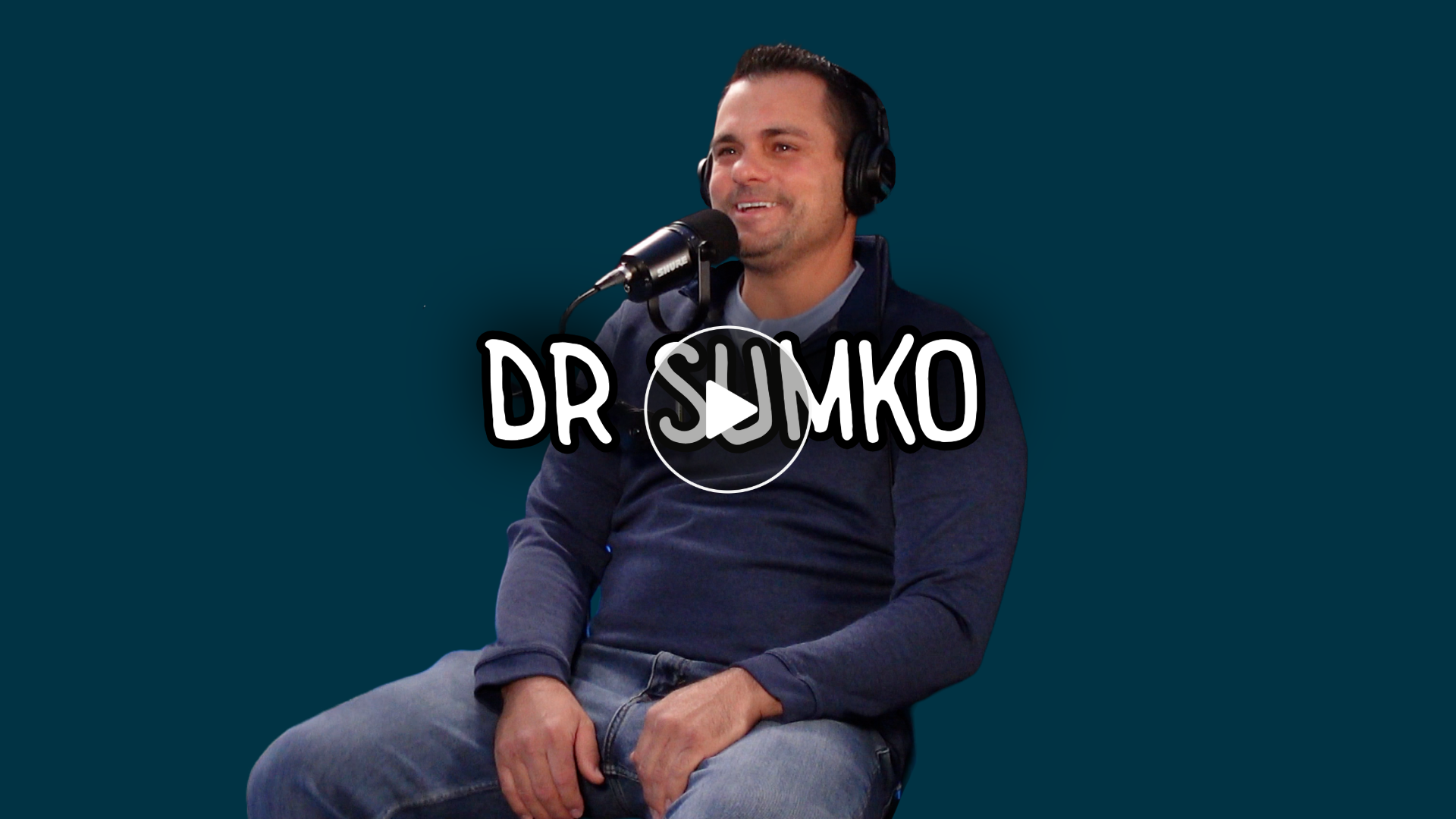
Dr Daniel Sumko D.O.
Board Certified Orthopedic Surgeon
Quick Start Guide: The Path to Becoming a Surgeon
How do you become an orthopedic surgeon? The journey requires a minimum of 13–14 years of post-secondary training: a 4-year bachelor’s degree (pre-med), 4 years of medical school (MD or DO), and a 5-year residency program in orthopedic surgery. Many also complete a 1-year specialized fellowship. According to Dr. Dan Sumko, aspiring surgeons must balance technical mastery with psychological resilience and an openness to robotic-assisted technology to succeed in the modern healthcare landscape.
The Modern Surgeon: More Than Just Technical Skill
Surgical precision is the baseline; empathy is the differentiator. Dr. Sumko emphasizes that the stereotypical "cold, clinical" surgeon is a relic of the past. Today’s best doctors are those who understand the human element.
Emotional Intelligence (EQ): Surgeons must manage high-stakes patient expectations and navigate families through their most vulnerable moments. EQ is now considered as critical as surgical "hand speed."
The Psychological Grind: Dr. Sumko shares the reality of the "Surgical Mindset"—the need to process outcomes, manage complications, and maintain mental health while carrying the weight of patient lives.
Robotic-Assisted Surgery: We are in a "Surgical Renaissance." Dr. Sumko highlights how robotic tools and AI-powered diagnostics are transforming hip and knee replacements, offering precision that was impossible a decade ago.
The Orthopedic Roadmap: From Pre-Med to Board Certified
If you are ready for the long haul, here is the professional progression:
Undergraduate (4 Years): Focus on a strong science foundation (Biology, Chemistry) and maintain a high GPA to be competitive for the MCAT.
Medical School (4 Years): Whether you choose the MD (Allopathic) or DO (Osteopathic) route, your first two years are classroom-based, followed by two years of clinical rotations.
Residency (5 Years): This is the "crucible." You will work 80-hour weeks, rotating through trauma, sports medicine, pediatrics, and joint reconstruction.
Fellowship (Optional, 1 Year): Most surgeons choose to sub-specialize. For Dr. Sumko, this means focusing on advanced hip and knee reconstruction.
Board Certification: After years of practice, you must pass rigorous oral and written exams to become "Board Certified," the gold standard of professional trust.
[Infographic Idea: The 14-Year Timeline of a Surgeon]
The Future of Orthopedics: AI, Data, and Personalization
Technology is a tool, not a replacement. Dr. Sumko looks ahead at the next 20 years of medicine:
Predictive Analytics: Using data to predict how a specific patient will recover before they ever go under the knife.
Smart Implants: Joint replacements that can monitor patient activity and "report back" to the surgeon in real-time.
Personalized Care: Moving away from "standard" procedures toward custom-tailored treatment plans enabled by 3D printing and AI modeling.
Frequently Asked Questions: Surgical Careers
Q: What is the difference between an MD and a DO?
A: Both are fully licensed physicians. MDs focus on allopathic medicine, while DOs (like Dr. Sumko) receive additional training in osteopathic manipulative medicine, often emphasizing a more holistic approach to the body.
Q: Is it too late to start medical school in my 30s?
A: No! Many successful surgeons start as a second career. The maturity and "life experience" gained can actually make you a more empathetic and resilient doctor.
Q: How much do orthopedic surgeons make?
A: Orthopedics is consistently one of the highest-paid medical specialties, but it comes with significant debt from medical school and high insurance/liability costs.
Dive Deeper into Dr. Dan Sumko’s Journey
To hear Dr. Sumko’s advice on avoiding burnout and his take on the future of robotic medicine at the Tanner Clinic, watch the full episode:
Watch on YouTube: Watch the Full Episode!
Visit the Clinic: Dr. Daniel Sumko at Tanner Clinic
Follow W2GS: @wheretogetstarted
Hosted by: Colton & Tyler Crump