How to Become a Morning Show Host: Broadcasting Secrets from Nicea DeGering
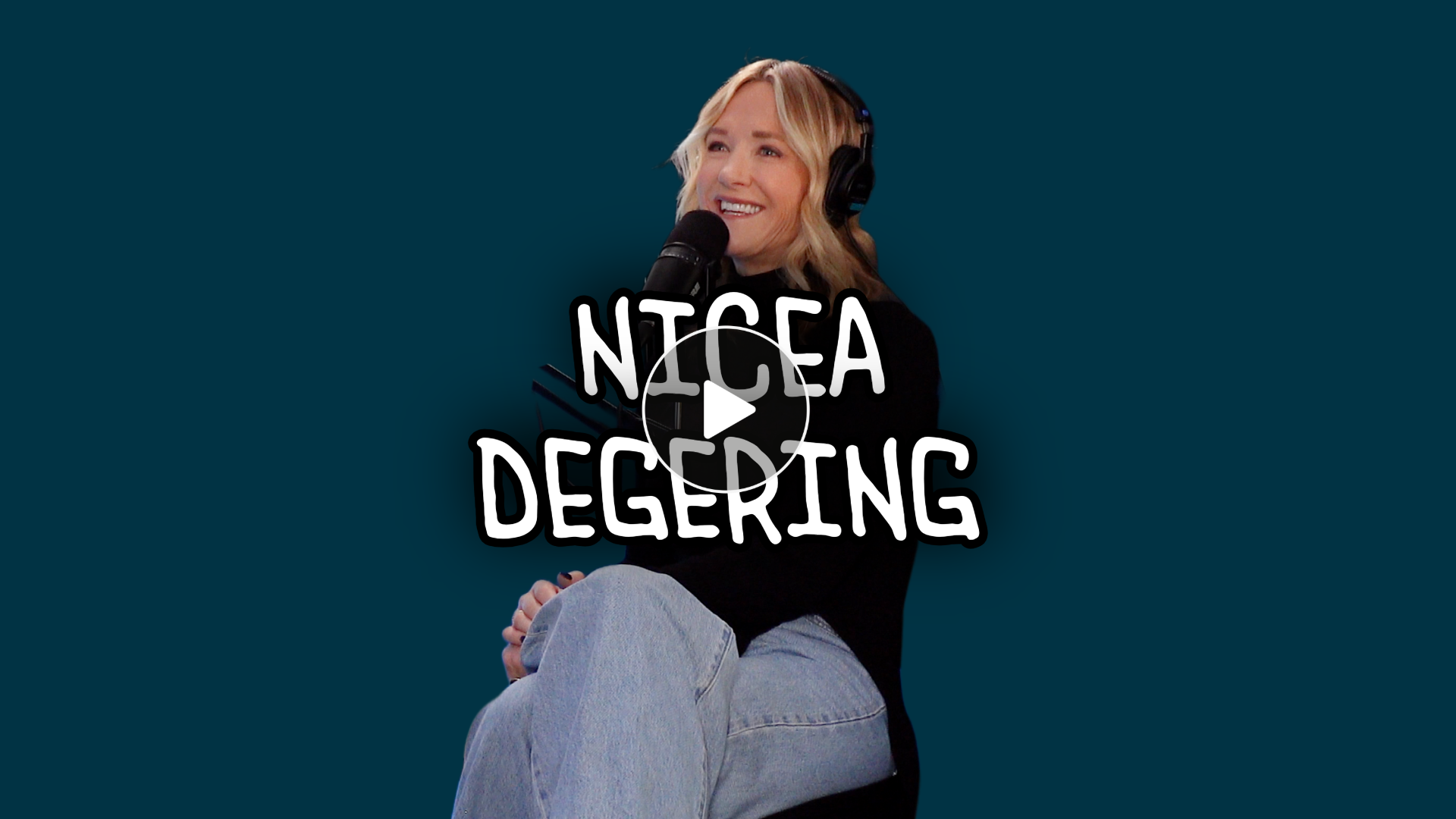
Nicea DeGering
Good Things Utah Morning Show Host on ABC4
Quick Start Guide: Breaking Into Television Hosting
How do you become a morning show host? Most successful hosts start with a degree in Broadcast Journalism or Communications and begin their careers as "one-man-band" reporters or news anchors. According to veteran host Nicea DeGering, the role requires a shift from objective reporting to authentic personal branding. Success in modern lifestyle TV depends on your ability to connect with viewers as a "friend," manage live unscripted interviews, and adapt to the relentless pace of daily morning broadcasts.
From Crime Reporter to Lifestyle Icon
Authenticity is the currency of morning television. Nicea’s journey proves that a strong journalistic foundation is the best springboard for a hosting career.
The Hard News Foundation: Nicea spent her early years as a crime reporter, covering everything from local tragedies to the 2002 Winter Olympics. This "grit" gave her the technical chops and credibility needed for live TV.
The Lifestyle Pivot: When Good Things Utah launched in 2002, Nicea moved from the news desk to the lifestyle beat. She admits she went "kicking and screaming," fearing a loss of journalistic credibility, but found that lifestyle TV allowed for a deeper, more personal connection with the audience.
The "Live" Factor: Unlike news packages that are edited, morning shows are often live and unpredictable. Nicea has mastered the art of "thinking on her feet" while interviewing everyone from Mitt Romney to Garth Brooks.
The Broadcaster's Roadmap: Skills for the Modern Host
To make it in an industry that is more competitive than ever, you need a diverse toolkit:
Versatile Storytelling: Whether you are reporting on a serious community issue or interviewing a celebrity, you must be able to find the "hook" that resonates with your local audience.
Improvisation & Flow: Live TV doesn't always go to plan. A great host can fill dead air, handle technical glitches gracefully, and keep an interview moving when a guest is nervous.
Personal Branding: In the age of social media, a host's job doesn't end when the cameras stop rolling. Nicea discusses the challenge of "growing up on camera" and managing public critique in the digital age.
Resilience: Broadcasting is a "thick skin" industry. You will face auditions you don't win and public opinions on everything from your parenting to your wardrobe.
The Evolution of Media: Adapting to 2026
TV isn't just a box in the living room anymore. Nicea highlights how the industry has transformed:
The Social Media Loop: Modern hosts must be active on platforms like Instagram and TikTok to build a community that follows them back to the broadcast.
Authentic Relatability: The "perfect" news anchor persona is fading. Today’s viewers want to see the real you—mistakes, vulnerability, and all.
Career Longevity: Staying in the same market for nearly three decades is rare. Nicea attributes her longevity to her genuine love for her home state of Utah and her commitment to telling the stories of everyday people.
Frequently Asked Questions: Broadcasting Careers
Q: Do I need to move to a small market to start my career?
A: Traditionally, yes. Most broadcasters start in "Market 100+" (smaller cities) to make their mistakes where fewer people are watching. Nicea’s path of staying in her home market of Salt Lake City is a unique exception.
Q: What is the difference between a News Anchor and a Host?
A: An Anchor typically delivers scripted, objective news. A Host leads a conversation, shares personal opinions, and focuses more on entertainment, lifestyle, and community engagement.
Q: How do I handle "Imposter Syndrome" on camera?
A: Nicea suggests focusing on the guest and the story rather than yourself. When you are genuinely curious about the person across from you, the nerves tend to fade.
Watch the Full Interview with Nicea DeGering
To hear Nicea’s "Real Talk" on what it takes to survive 30 years in television and her advice for the next generation of storytellers, watch the full episode:
Watch on YouTube: Watch the Full Episode!
Follow Nicea: @niceadegering
Follow W2GS: @wheretogetstarted
Hosted by: Colton & Tyler Crump