How to Become a Head Brewer: A Career Roadmap with Clay Turnbow
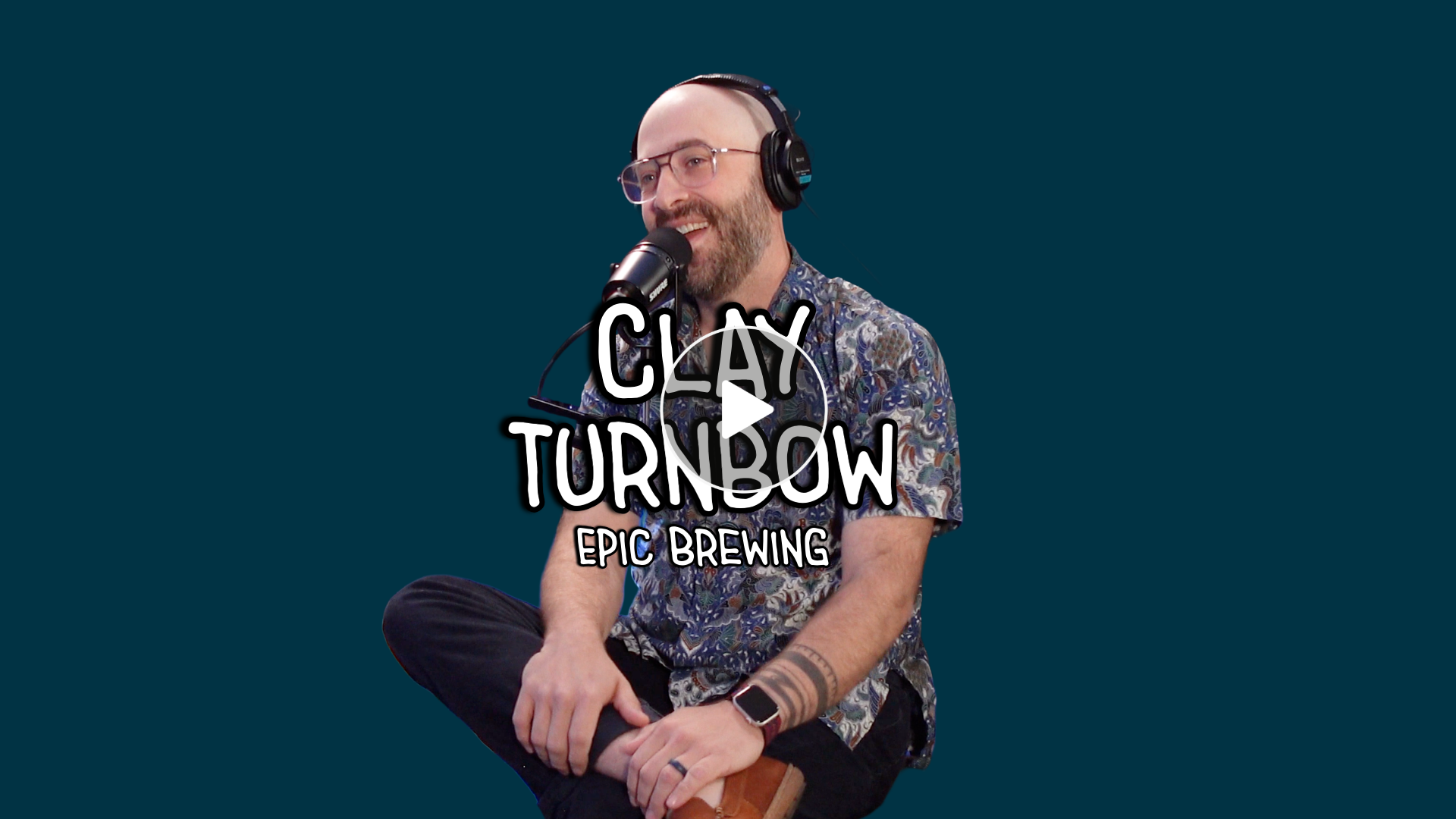
Clay Turnbow
Head Brewer / Master Brewer at Epic Brewing in SLC, UT
Quick Start Guide: Becoming a Professional Brewer
How do you start a career in craft brewing? To become a brewer, most professionals begin in entry-level packaging or cellar work to learn the production process from the ground up. While formal brewing degrees exist, many head brewers, like Clay Turnbow of Epic Brewing, started as homebrewers and transitioned into the industry by taking a hands-on role. Key skills include sanitation mastery, recipe development, and mechanical troubleshooting.
Can You Become a Brewer Without a Science Degree?
Yes. Experience and curiosity often outweigh formal credentials. Clay Turnbow was an English major who worked as a FedEx driver before joining Epic Brewing. His journey proves that you can break into the industry by:
Starting at the bottom: Clay took a 50% pay cut to join the packaging line, proving his commitment.
Mastering Homebrewing: Use your kitchen as a lab to learn the science of fermentation and flavor profiles.
Self-Education: Use podcasts, industry books, and the Brewers Association resources to build your technical knowledge while working a "day job."
The Brewery Career Ladder: Packaging to Brew House
In the craft beer industry, you don't just "become" a brewer; you earn the title through the "unsexy" jobs.
Packaging Line: This is where you learn quality control and the importance of minimizing oxygen pickup—the enemy of fresh beer.
Cellar Work: Here you manage fermentation, yeast health, and tank sanitation. This is the most physically demanding but critical stage.
The Brew House: Once you understand how beer is finished and fermented, you move to the mash and boil to define the beer’s core profile. Pro Tip: Clay prefers hiring "full-stack" brewers who have worked in every department so they understand how their decisions affect the whole team.
What Does a Head Brewer Actually Do?
It’s 10% creativity and 90% process management. A Head Brewer’s role is more than just "making recipes." Clay’s daily responsibilities include:
Recipe Innovation: Designing new flavor profiles based on food trends and ingredient availability.
Safety & SOPs: Managing high-pressure vessels, hot liquids, and chemicals.
Maintenance: In small-to-midsize breweries, the brewer is often the mechanic, rebuilding pumps and diagnosing electrical issues.
People Leadership: Training and mentoring the next generation of brewers.
The Reality Check: Regulations and Boundaries
Working in the alcohol industry comes with unique challenges:
Utah’s 5% Draft Law: Navigating local regulations that dictate how high-ABV beer can be served and sold.
Alcohol Misuse: Maintaining strong personal boundaries is essential for a healthy, long-term career in a field where beer is always accessible.
Creative Outlets: Clay recommends having hobbies outside of brewing (like coffee roasting or hot sauce making) to prevent "passion burnout."
Frequently Asked Questions: Brewing Careers
Q: Is brewing a physically demanding job?
A: Absolutely. It involves long hours on your feet, humid environments, and lifting heavy kegs and grain bags.
Q: What is the best way to get noticed by a brewery?
A: Show up with a "yes" mentality. Breweries value people who are willing to clean, organize, and do the hard work without ego.
Q: How much do head brewers make?
A: Salaries vary wildly by brewery size and location. It is often a "labor of love" at the start, with income growing as you take on more operational responsibility.
Explore More Career Paths with W2GS
To hear Clay’s full story—from his FedEx routes to winning brewing awards—watch the full interview on the Where To Get Started channel:
Watch on YouTube: Watch the Full Episode!
Follow W2GS on Instagram: http://instagram.com/wheretogetstarted
Hosted by: Colton and Tyler