How to Become a Certified Firearms Instructor: A Guide to Safety and Pedagogy
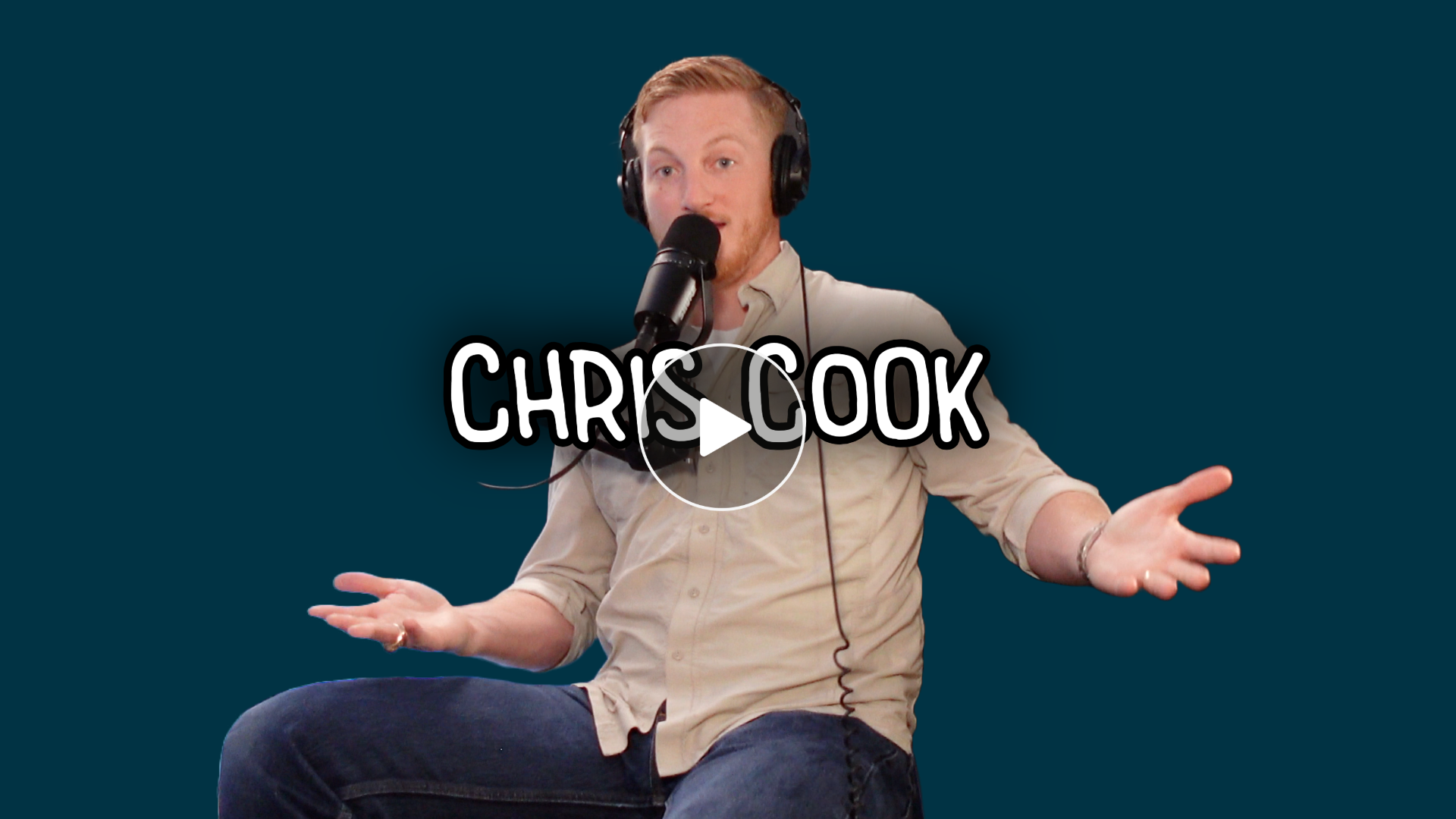
Chris Cook
Owner & Founder of Odyssey Training and Consulting
Quick Start Guide: The Path to Firearms Instruction
How do you become a firearms instructor? To move from enthusiast to professional, you must secure a certification from a nationally recognized body like the NRA (National Rifle Association), USCCA (United States Concealed Carry Association), or POST (Peace Officer Standards and Training). The journey requires passing a stringent background check, a shooting qualification test, and completing Basic Instructor Training (BIT). Most importantly, successful instructors focus on "Teaching Methodology"—the science of how adults learn—ensuring every student leaves the range safer than when they arrived.
The Instructor's Mindset: Safety First, Ego Last
Shooting well does not automatically make you a great teacher. The episode highlights that the most respected instructors are those who remain "forever students."
The "Four Safety Rules" as a Foundation: Safety isn't just a lecture at the beginning of class; it is a constant, non-negotiable culture. Master instructors use "challenge-response" systems to ensure range commands are heard and understood by every student.
Understanding the Adult Learner: Adults learn differently than children. They need to know the "why" behind every drill. Instructors must adapt their communication styles—visual, auditory, and kinesthetic—to reach every person on the line.
The Importance of Mentorship: Don't go it alone. The episode suggests seeking out an apprenticeship or serving as a Range Safety Officer (RSO) first. Watching a senior instructor manage a complex class provides insights into "diagnostic skills"—the ability to see a student’s error in real-time and fix it instantly.
The Professional Roadmap: From BIT to Business Owner
If you are ready to take the leap into professional instruction, follow these 5 steps:
Build Your Foundation: Ensure your own shooting proficiency is "master class" level. You cannot teach what you cannot demonstrate under pressure.
Get Certified: Start with NRA Basic Instructor Training (BIT). This 6-hour course covers the fundamentals of teaching. From there, specialize in disciplines like Pistol, Shotgun, or Personal Protection in the Home.
State-Specific Accreditation: If you want to teach Concealed Carry (CCW) courses, check your state’s specific requirements. In places like Utah, you must be state-certified to issue the training certificates required for a permit.
Invest in Insurance: This is a high-liability profession. Organizations like Instructor Plus or Lockton Affinity provide specialized insurance for firearms trainers.
Create a Curriculum: Don't just "wing it." Develop a structured lesson plan that includes classroom theory, dry-fire practice, and live-fire drills.
Continuous Growth: Networking and Competition
The "white belt" mentality is your greatest asset.
Join Professional Alliances: Groups like the Instructor Alliance allow you to connect with peers, share lesson plans, and stay updated on the latest legal changes.
Shoot in Competitions: Participating in IDPA, USPSA, or 3-Gun matches keeps your skills sharp and provides "street cred" with your students.
Technology on the Range: Leverage tools like MantisX or Shot Timers to give your students measurable, data-driven feedback on their performance.
Frequently Asked Questions: Firearm Careers
Q: How much does a firearms instructor make?
A: Income varies wildly. Independent instructors might make $50–$100 per student for a CCW class, while full-time professionals or those with law enforcement contracts can earn six figures.
Q: Can I become an instructor if I’m under 21?
A: You can often take the NRA Instructor Training pre-course and BIT before 21, but most certifications require you to be 21 to lead a class, particularly for handgun disciplines.
Q: Do I need a military or police background?
A: No! While the experience helps, many of the world's best civilian instructors come from competitive shooting or education backgrounds.
Watch the Full Episode on Firearms Instruction
To hear more about the transition from student to teacher and the legal responsibilities of being a trainer, watch the full interview:
Watch on YouTube: Watch the Full Episode!
Explore Certifications: NRA Training Portal
Odyssey Training & Consulting: https://odysseytrainingllc.com/
Follow W2GS: @wheretogetstarted
Hosted by: Colton Crump & Tyler Crump