How to Get Started as an Executive Chef: Career Lessons from Nick Zocco
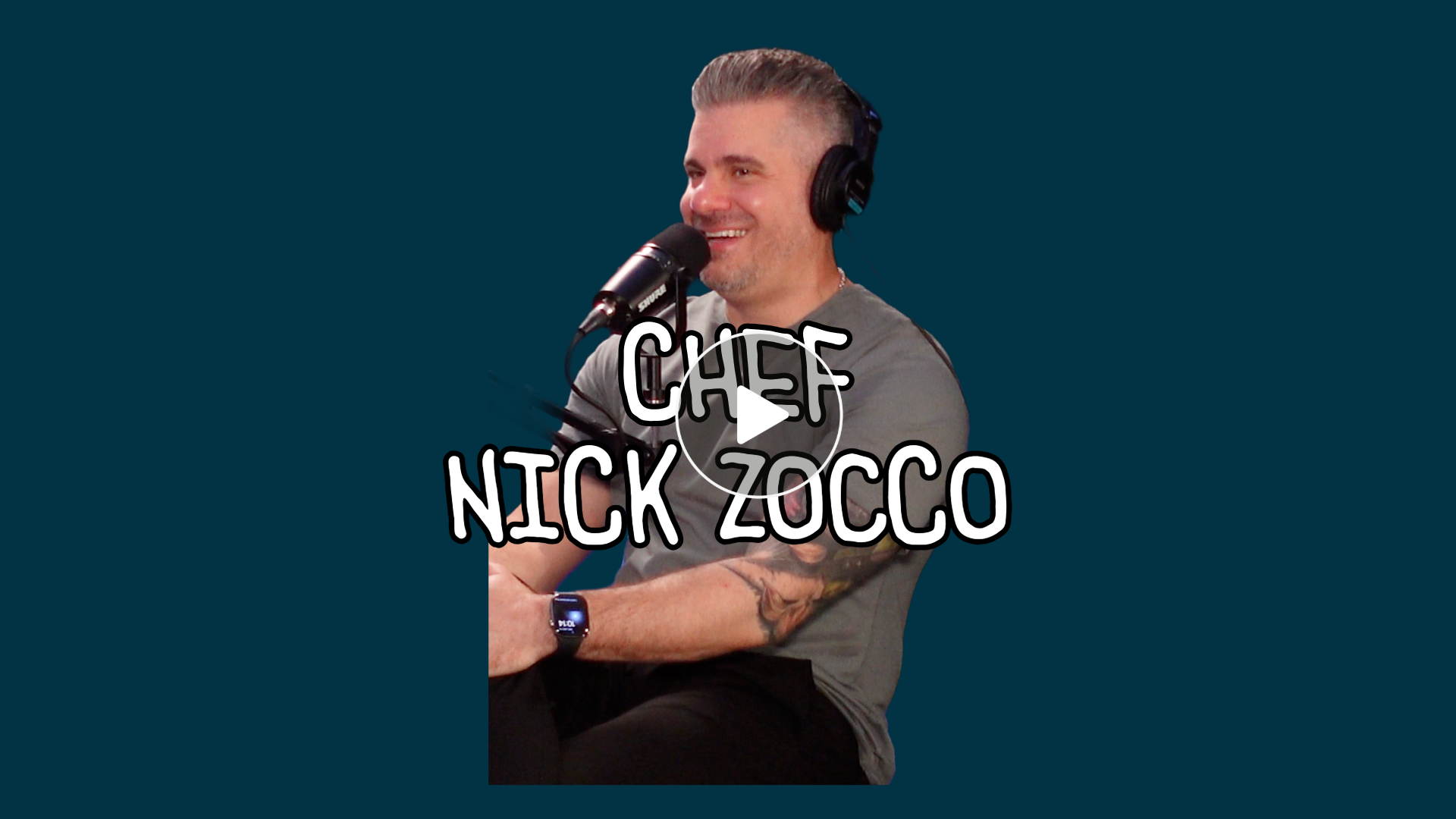
Chef Nick Zocco
Executive Chef at Urban Hill in Salt Lake City, UT
Quick Start: Becoming an Executive Chef
To get started as an Executive Chef, most professionals begin as a line cook or by attending culinary school. Key requirements include mastering station management, developing a signature palate, and gaining 5–10 years of kitchen experience. According to Nick Zocco (James Beard Finalist), the most important trait is resilience and a "yes" mentality.
Should You Go to Culinary School to Become a Chef?
The short answer: It is a tool, not a requirement. In the interview, Chef Nick Zocco reveals that he seriously considered the Culinary Institute of America (CIA) but ultimately chose a different path. To decide if culinary school is right for you, evaluate:
Debt-to-Income Ratio: Can you avoid massive loans? Nick utilized community college and local scholarships.
Real-World Pairing: Are you working in a kitchen while studying?
Apprenticeship vs. Degree: Many top chefs value a paid apprenticeship or 4 years of high-level kitchen experience over a certificate.
How to Build "Career Insurance" in a Commercial Kitchen
The secret to fast-tracking your promotion is cross-training. Nick set a goal to cook at every station in his restaurant within 18 months—and he beat it. By learning every station (from salads to the grill), you become:
Indispensable: You can fill in for anyone who calls out.
Leadership Material: You can't lead a team if you don't understand the physical demands of every role.
Promotable: Chefs promote the cooks who solve the most problems.
What Do Executive Chefs Look for During a "Stage"?
A "Stage" (a short unpaid trial shift) is your audition. Nick doesn't just look at your knife skills; he looks for:
Engagement: Are you asking questions or standing in the corner?
Preparedness: Did you bring your own knives and dress like a pro?
Visual Learning: Can you replicate a dish after seeing it plated only twice?
Hustle over Ego: Chefs prefer a coachable beginner with high energy over a "know-it-all" with a long resume.
The "Dark Side" of the Culinary Industry: Mental Health
Being a chef is a marathon, not a sprint. Nick is candid about the long hours and missed holidays. In 2026, the industry is shifting toward sustainability. To succeed long-term, you must:
Set Professional Boundaries: Even as an Executive Chef, learn to take your days off.
Identify Stressors: Reviews and staffing issues are constant; treat your mental health as a core professional skill.
Frequently Asked Questions: Starting a Chef Career
Q: Where do I get started with no experience?
A: Apply for a "Stagiaire" or prep cook role at a reputable local restaurant. Focus on cleanliness and speed.
Q: What is the most important skill for a head chef?
A: Leadership and community building. Nick focuses on "creating infrastructure for others to win," not just cooking great food.
Q: What shows or resources should I watch to learn?
A: Nick recommends classics like Yan Can Cook and Great Chefs, and modern competition shows like Beat Bobby Flay to see how chefs handle high-pressure environments.
Where To Get Started: Additional Resources
To dive deeper into the tactical steps of building a culinary career, you can find the Where To Get Started (W2GS) community here:
Full Video Interview: Watch the Full Episode!
Connect with Colton or Tyler: chat@where2getstarted.com